




Panchakarma in Ayurveda is one of the most powerful detoxification therapies designed to cleanse the body, restore internal balance, and promote holistic healing. Rooted in ancient Ayurvedic wisdom, Panchakarma treatment focuses on removing accumulated toxins and rejuvenating the body through natural therapies. The process involves five specialised cleansing procedures that target different systems of the body. Understanding the types of Panchakarma and how each therapy works can help individuals experience the deeper benefits of Panchakarma Ayurveda, which goes beyond symptom relief to support long-term wellness and vitality.
Panchakarma treatment is a five-fold Ayurvedic detoxification therapy. The term "Panchakarma" translates to "five actions," which refers to five specialized methods to cleanse the body of toxins. These methods aim to remove impurities and restore the body’s natural state of balance.
Unlike many modern treatments, Panchkarma Ayurvedic treatment doesn’t just focus on curing specific ailments. It rejuvenates the entire system—mind, body, and spirit, making it a cornerstone of holistic healing.
There are five main types of Panchakarma in Ayurveda, each targeting specific areas of the body:
Vamana (Emesis Therapy): This therapy helps to expel toxins from the stomach and chest through induced vomiting. It is especially effective for respiratory and digestive issues.
Virechana (Purgation Therapy): By cleansing the intestines, this method eliminates toxins from the lower digestive tract and is highly beneficial for liver-related problems.
Basti (Enema Therapy): Using medicated oils or herbal decoctions, Basti targets the colon, removing accumulated toxins and enhancing overall gut health.
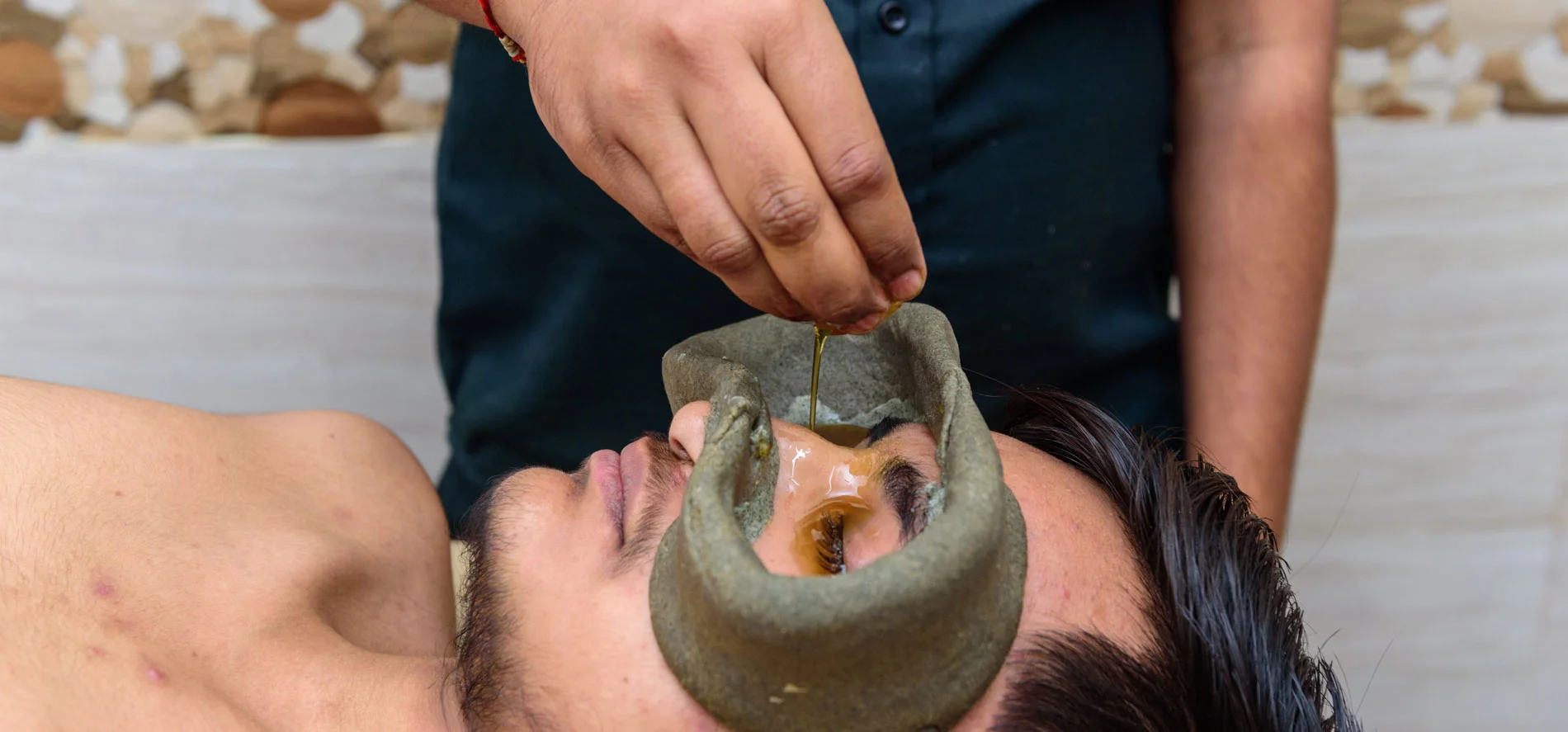
Nasya (Nasal Therapy): This involves administering herbal oils through the nostrils to clear blockages in the nasal passages and improve respiratory and mental health.
Raktamokshana (Bloodletting Therapy): A specialised treatment to purify the blood and address conditions related to blood toxicity.
Each of these therapies forms the foundation of Panchakarma Ayurvedic treatment, tailored to individual needs for maximum benefits.
Ayurveda doesn’t view health as merely the absence of disease. It sees it as a harmonious balance between the body, mind, and spirit. Panchakarma Ayurveda exemplifies this philosophy by emphasising detoxification and rejuvenation.
Through Panchakarma treatment, the body is not only cleansed but also fortified. The therapy fosters better digestion, improved energy levels, and mental clarity. It aligns with the principles of the Panchakarma art of living, which advocates maintaining balance in everyday life.
Before undergoing Panchakarma treatment, a detailed consultation with an Ayurvedic practitioner is essential. The process begins with pre-treatment procedures such as Snehana (oleation) and Swedana (sudation), which prepare the body for cleansing.
The main therapy involves the five actions mentioned earlier, followed by post-treatment care, including dietary guidelines and lifestyle modifications. This ensures long-lasting benefits and prevents the recurrence of ailments.
Panchakarma in Ayurveda is more than a treatment. It is a pathway to holistic healing and balance. With its focus on detoxification and rejuvenation, it addresses the root causes of ailments while fostering overall wellness. Embracing the principles of Panchakarma Ayurveda can lead to a healthier, more harmonious life.

Copyright © 2026 Patanjali Wellness.