





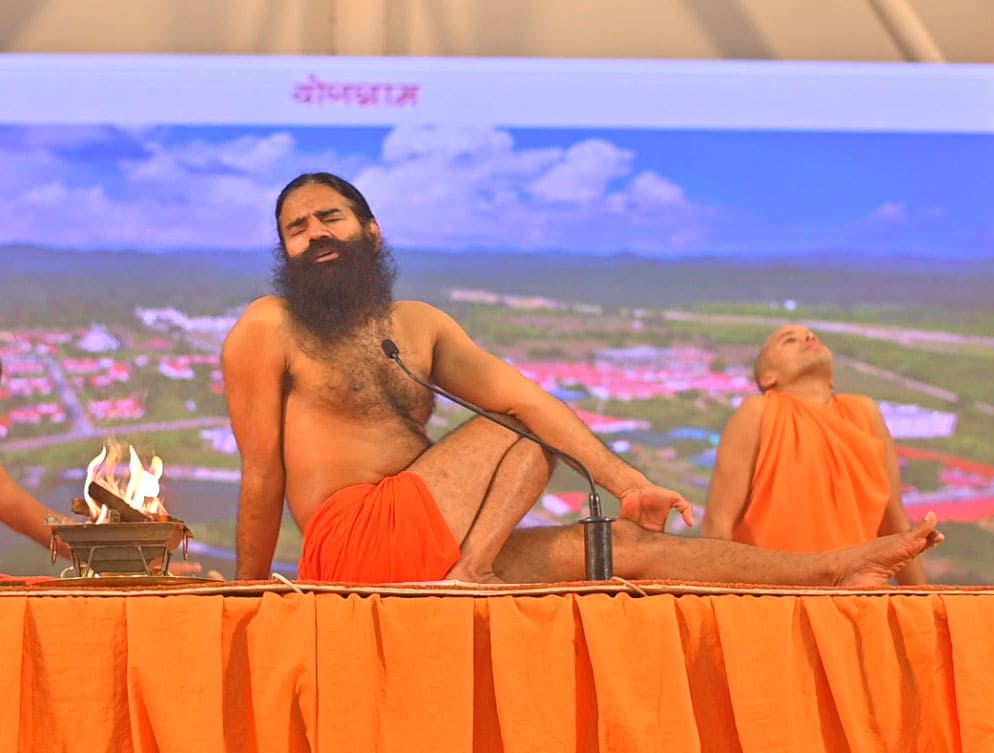
Yoga has been practised for centuries as a powerful method for achieving overall well-being. Today, yoga for health is widely recognised for its ability to support both physical fitness and emotional balance. Through mindful movement, breathing techniques, and meditation, yoga helps individuals manage modern lifestyle challenges such as stress, anxiety, and chronic health conditions. It is especially valued as yoga for mental health and stress relief, while also supporting people dealing with conditions such as diabetes, asthma, and high blood pressure. By incorporating yoga into daily life, individuals can improve flexibility, enhance mental clarity, and build resilience against physical and emotional stress.
The fast-paced environment of today makes mental health issues including stress, anxiety, and depression more widespread. Yoga for mental health offers a protected environment for you to reconnect with yourself. Yoga helps control the nervous system by means of conscious breathing and mild motions, therefore lowering symptoms of stress and anxiety. Regular practice offers a sense of peace and clarity and has been found to greatly reduce chronic stress (depression) and anxiety.
Yoga is a great tool for physical health as much as for mental well-being. Yoga for diabetes helps patients regulate blood sugar and increase insulin sensitivity. Yoga for osteoporosis similarly increases balance and strengthens bones, therefore lowering the chance of fractures. Yoga for asthma emphasises on breathing techniques to increase lung capacity which helps keep respiratory diseases at bay.
Stress is an inevitable part of life, but how we manage it makes all the difference. Yoga for stress relief teaches you to slow down and focus on the present moment. Poses like Child’s Pose and Savasana, combined with deep breathing, activate the parasympathetic nervous system, promoting relaxation. This makes yoga an excellent practice for those dealing with high blood pressure, as it helps lower cortisol levels and improve cardiovascular health.
Depression can feel overwhelming, but yoga offers a gentle yet effective way to cope. Yoga for depression encourages mindfulness and self-compassion, helping individuals break free from negative thought patterns. Poses that open the chest, like Cobra Pose, are particularly beneficial as they release tension and boost mood. Combined with meditation, yoga creates a nurturing environment for emotional healing.
Many times, anxiety manifests as a tense body and a racing mind. Yoga for anxiety emphasises on grounding techniques meant to help you return to the present. Restoring positions and alternate nostril breathing assist to calm the mind and ease bodily strain. These methods can retrain the brain over time to react to stress more calmly.
More than a physical activity, yoga is a lifestyle that promotes overall well-being. This age-old practice has something to offer everyone whether your search for yoga is for physical health, emotional wellness, or relief from particular medical conditions like diabetes or osteoporosis. Yoga therapy will help you to lead a better, more balanced life. Start small, stay consistent, and allow yoga to lead you towards mental and physical peace.

Copyright © 2026 Patanjali Wellness.